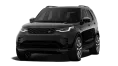


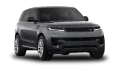


Grange • Expert buying guide
Range Rover Sport diesel vs hybrid: D300 or P460e?
Diesel simplicity or plug-in electric driving? A practical UK guide to choosing the Sport that fits your journeys, charging access and towing needs.

Range Rover Sport diesel or hybrid: the short answer
Choose the D300 mild-hybrid diesel if much of your driving involves sustained motorway journeys and reliable charging is difficult. The P460e plug-in hybrid deserves a closer look if you can charge regularly and cover many of your daily miles locally. Your weekly driving pattern matters more than annual mileage alone.
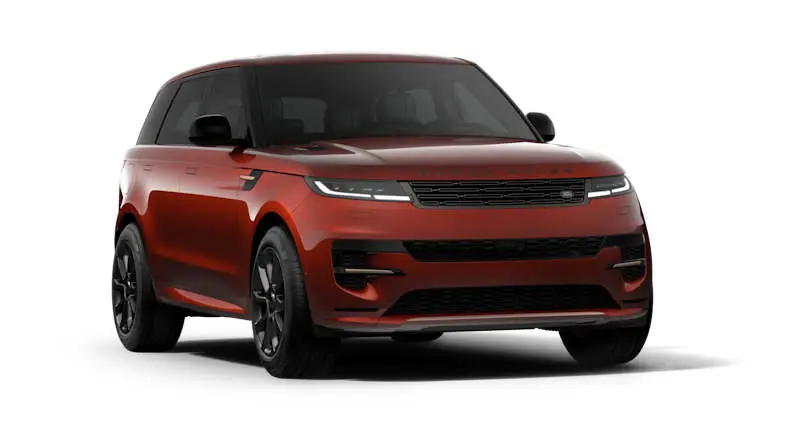
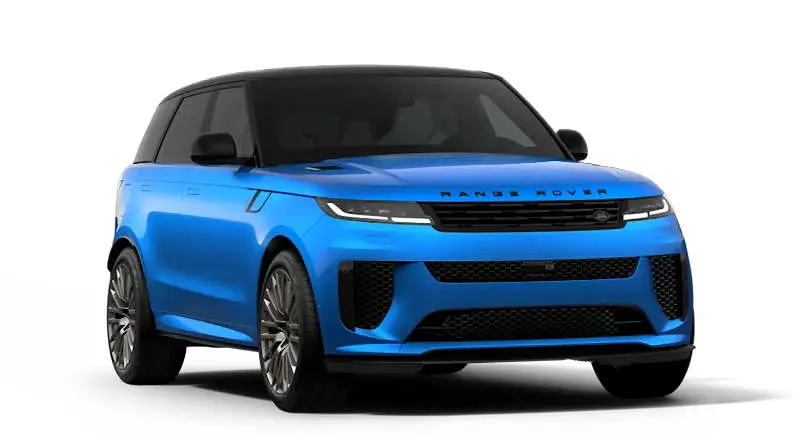
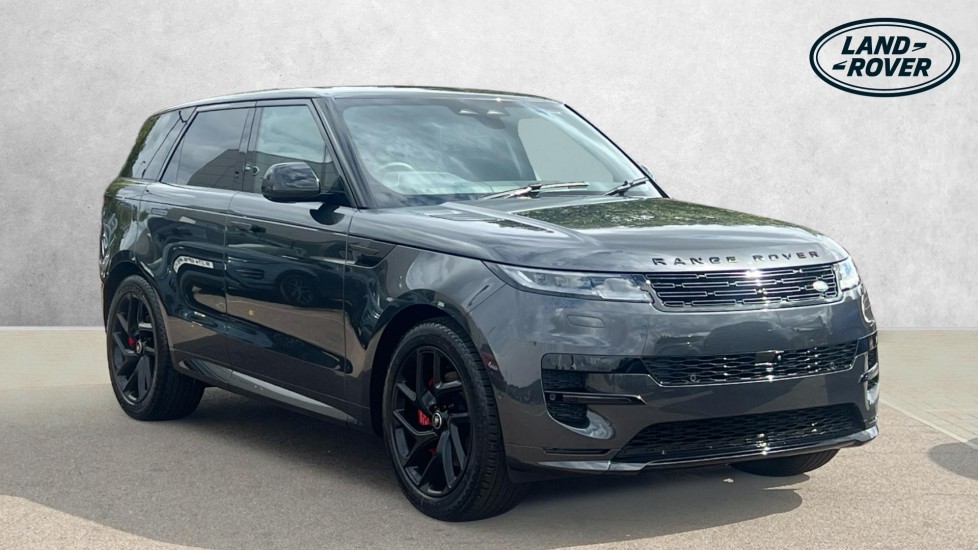
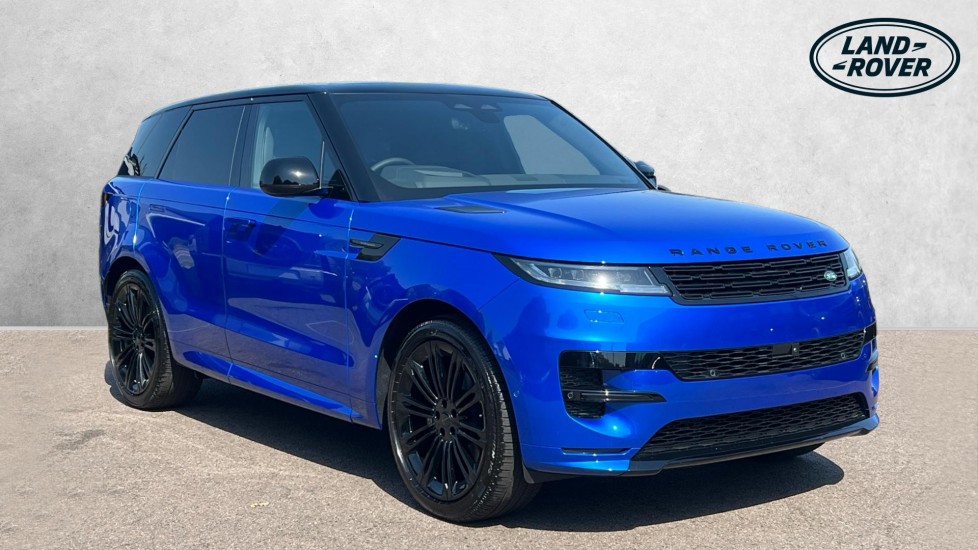
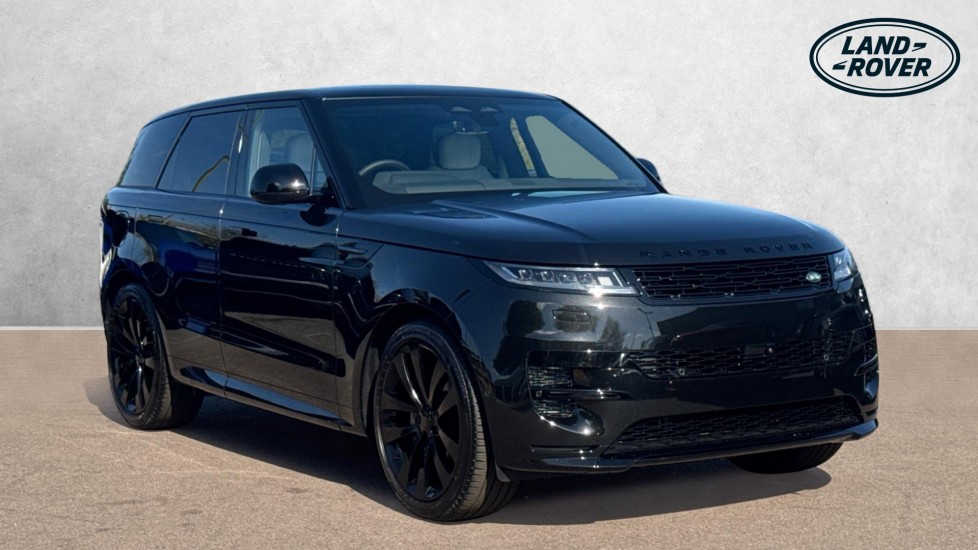
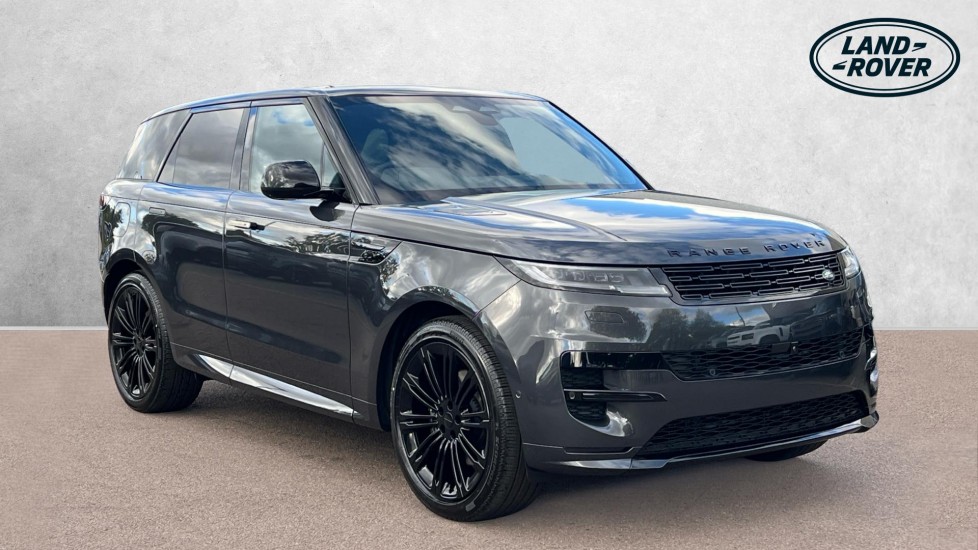
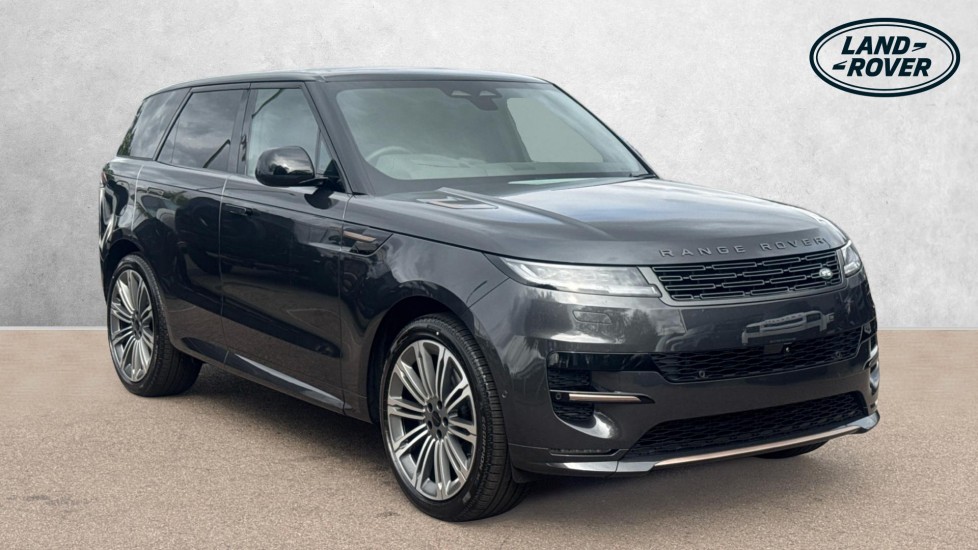
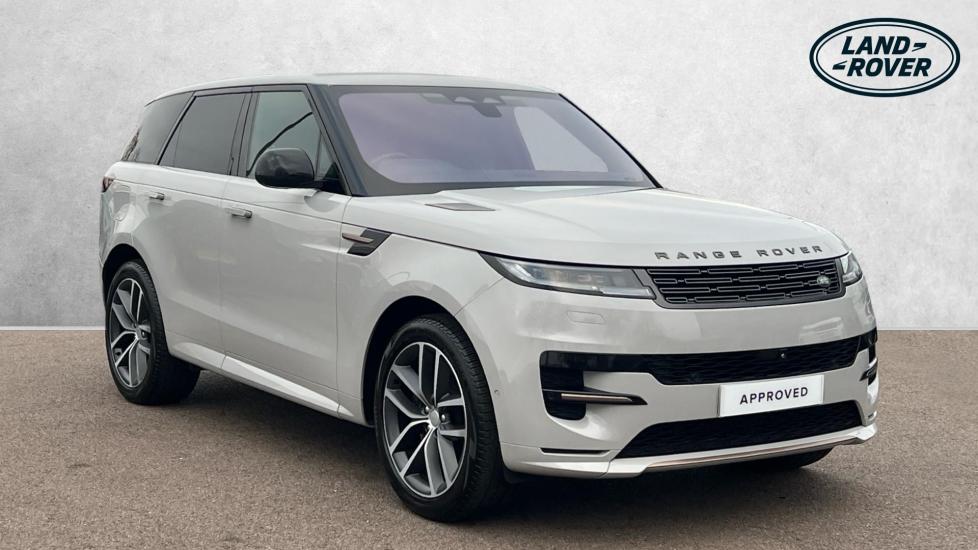
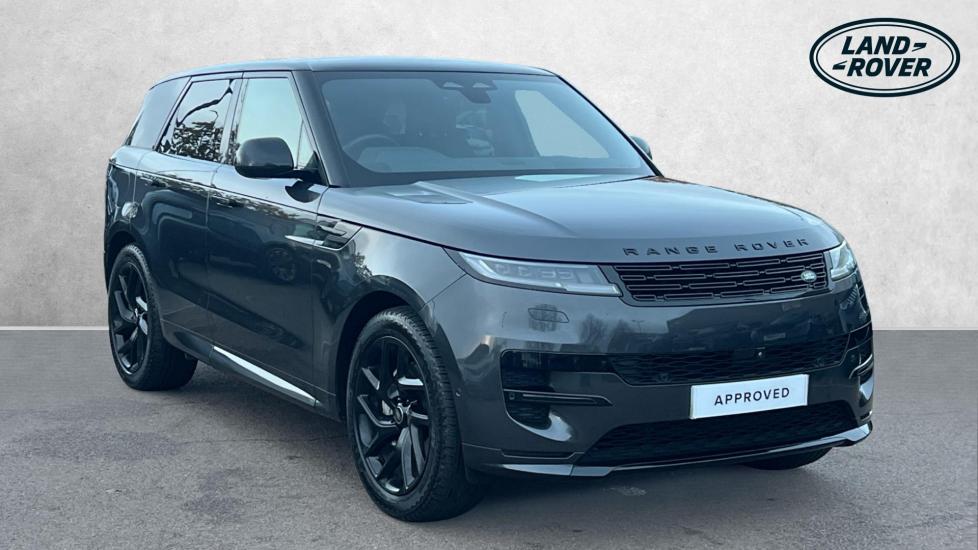
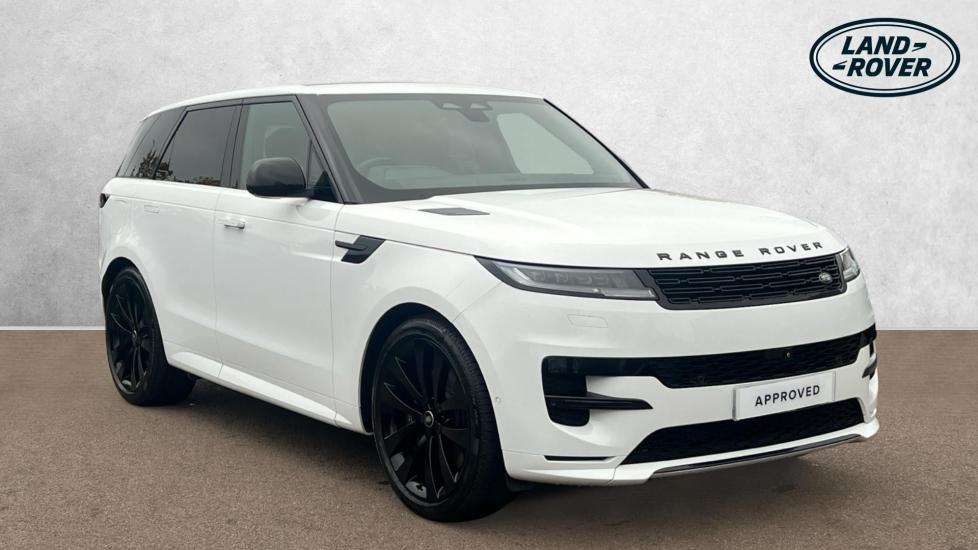
Both are substantial, six-cylinder Range Rover Sports. The distinction is how they deliver their performance and how often you can replace petrol miles with electric miles. This guide compares the current-generation Sport, known as L461, using D300 and P460e Dynamic SE examples listed by Grange. Figures should not be applied to every vehicle carrying a similar badge.

The important differences, together
| Current Sport | D300 diesel MHEV | P460e petrol PHEV |
|---|---|---|
| Petrol or diesel engine | 3.0-litre, six-cylinder diesel | 3.0-litre, six-cylinder petrol |
| Quoted system output | 300 PS / 221 kW | 460 PS / 338 kW |
| External charging | No plug-in charging | Plug-in charging for electric driving |
| Official electric-only range | Not applicable | Up to 75 miles WLTP |
| Home charge, 0–100% | Not applicable | From five hours on a 7 kW charger |
| Maximum braked towing mass* | 3,500 kg | 3,000 kg |
Output and towing figures are for the current Grange examples; electric range and charging are manufacturer figures. PS is metric horsepower. *The permitted load for a particular journey also depends on the vehicle’s plated limits, actual loading, trailer and equipment. Confirm the exact vehicle specification.
The D300’s mild-hybrid system recovers energy during deceleration to support the diesel powertrain. It does not provide the P460e’s plug-in electric-driving capability. The P460e combines its petrol engine with a 160 kW electric motor; the quoted system output is not a simple addition of the separate component peaks.[1]
Technical references: D300 example and P460e example; range and charging methodology are listed below.
Will the P460e cover your commute on electricity?
Range Rover quotes up to 75 miles WLTP for the P460e and a manufacturer-estimated real-world range of up to 57 miles. These answer different questions: the first is a standardised test result; the second is an estimate, not a promise for your journey.[1]
A 30-mile return commute with an overnight charging space gives you a credible reason to investigate the plug-in hybrid. Add a school run, a cold morning and a long motorway stretch, however, and the useful electric distance can change. Ask for a demonstration over roads resembling your routine, with heating and other equipment used normally.
The petrol engine remains available when electric driving is no longer possible. You can therefore make a longer journey without planning every stop around a charger. The ownership benefit comes from repeatedly replacing short petrol journeys with charged electric miles, rather than treating the battery as something to use only occasionally.

Home charging changes the calculation
A suitable 7 kW home charger can charge the Sport electric hybrid from empty to full, with Range Rover quoting a time starting from five hours. Installation suitability, electrical supply and access to off-street parking need checking. A nearby public charger is useful, but it is a different ownership proposition from plugging in where the vehicle normally stays overnight.[3]
Here is a transparent cost illustration, not a road-test result or a quotation. Assume electric driving achieves 2.5 miles per kWh, with electricity at 30p per kWh. For the diesel calculation, assume 40 mpg and diesel at £1.60 per litre. These are chosen assumptions, not current national tariffs or verified consumption for either car.
| Illustrative 100-mile energy cost | Assumption | Calculated cost |
|---|---|---|
| Electric driving at home | 2.5 miles/kWh; 30p/kWh | £12.00 |
| Electric driving at a dearer charger | 2.5 miles/kWh; 70p/kWh | £28.00 |
| Diesel driving | 40 mpg; £1.60/litre | £18.18 |
Electric costs exclude charging losses; all figures exclude purchase, tax, insurance, maintenance and finance. The diesel calculation uses an imperial gallon, 4.54609 litres. Substitute your own tariff and realistic consumption. A plug-in hybrid’s official combined mpg cannot tell you the fuel cost of an uncharged motorway trip.

Motorways, ride comfort and towing
For repeated long trips, the D300 offers a straightforward routine: refuel and continue. For the P460e, distinguish the first charged portion from the remainder of the journey; one electric-range number cannot describe an entire long-distance itinerary. Neither powertrain choice automatically makes every road journey cheaper.
Current D300 and P460e specifications include Dynamic Air Suspension and Adaptive Dynamics. The P460e can additionally be specified with the Stormer Handling Pack, bringing Dynamic Response Pro and all-wheel steering; do not assume those features are standard on every P460e or available on the D300 simply because both are Dynamic SE.[6]
The Grange examples quote maximum braked towing masses of 3,500 kg for D300 and 3,000 kg for P460e. That 500 kg difference may settle the decision for a heavier trailer. Actual towing limits and loading still need confirming against the specific vehicle and trailer.[4]


Buying pre-owned: check which Sport you are comparing
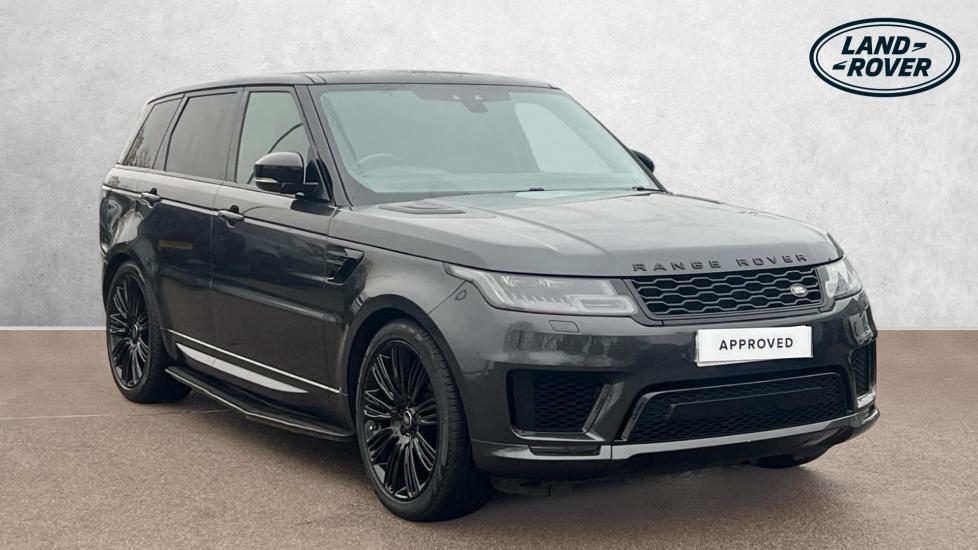
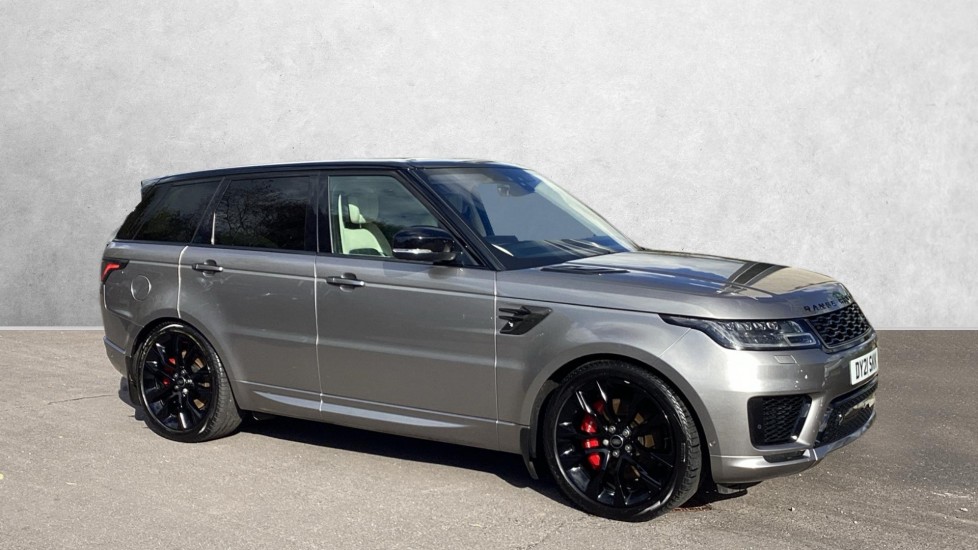
A search for a used Range Rover Sport can include several generations. A D300 badge alone does not identify the current L461. The older P400e plug-in hybrid also uses a different powertrain from the six-cylinder P460e discussed here. Compare generation, model year and specification before using current range or towing figures to shortlist a pre-owned example.[8]
For a new-car comparison, ask for written quotations with the same trim, equipment and payment basis. Individual Grange stock prices can reflect options and funding conditions. Comparing a conditional finance saving with an unrestricted cash price would give a misleading answer to which powertrain costs less.

Your questions, answered
Does the D300 need to be plugged in?
No. It is a diesel mild hybrid, not a plug-in hybrid. Its electrical assistance is supplied through energy recovery rather than external charging.
Is the P460e useful without home charging?
It can operate using petrol, but regular convenient charging is a key reason to choose it. Check workplace and public-charging access, tariffs and time commitments before deciding.
Can I apply the 75-mile figure to an older P400e?
No. This is the current Sport P460e’s quoted maximum WLTP figure. Older powertrains, generations and model years have different specifications.
Compare your options with Grange
Grange was established in 1956. At Grange Land Rover Hatfield, start with your weekly journeys, charging arrangements and towing needs. The team can help identify relevant stock and confirm equipment against the individual vehicle, rather than relying on the model badge alone.[7]