




Grange · Aston Martin
Aston Martin Vantage vs DB12
Two seats or 2+2? Compare the sports-car focus of Vantage with DB12’s touring brief, then make the choice personal with Grange.

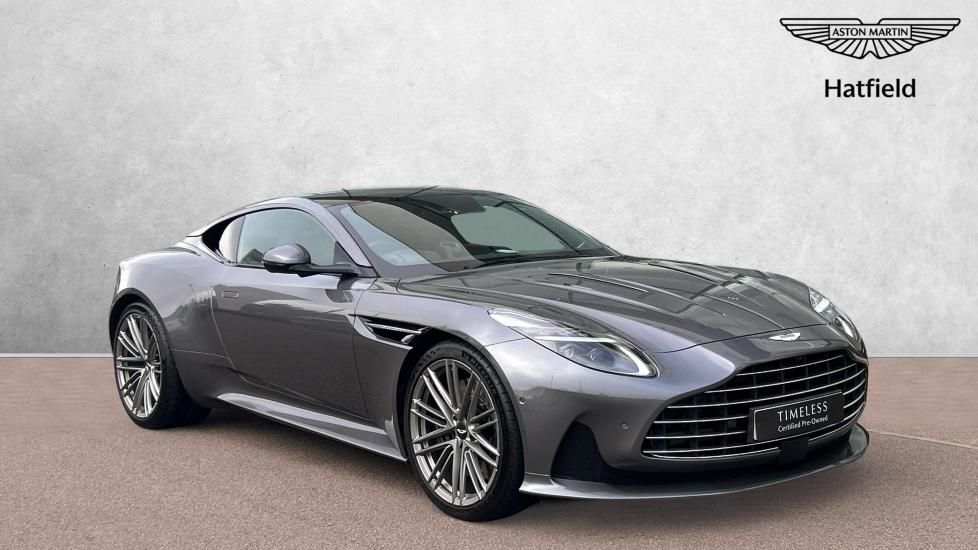
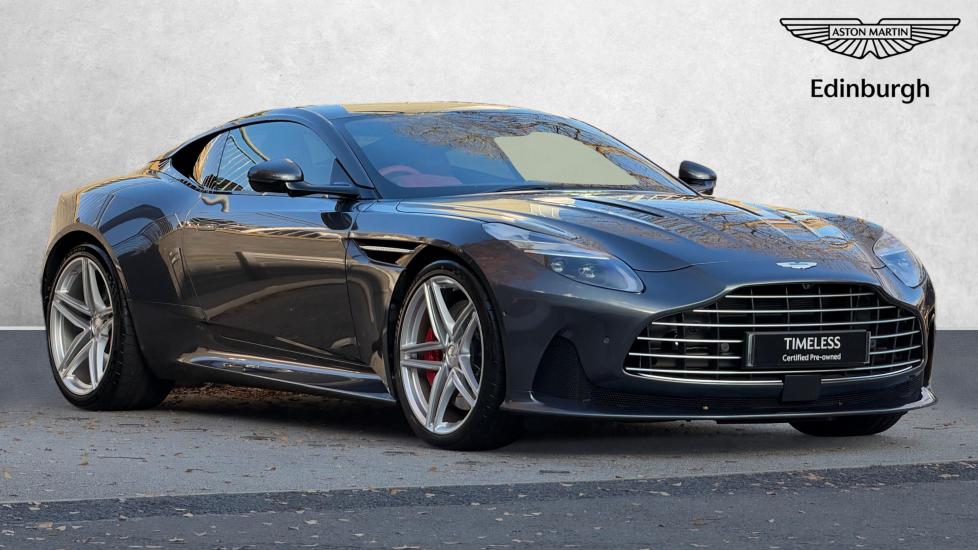
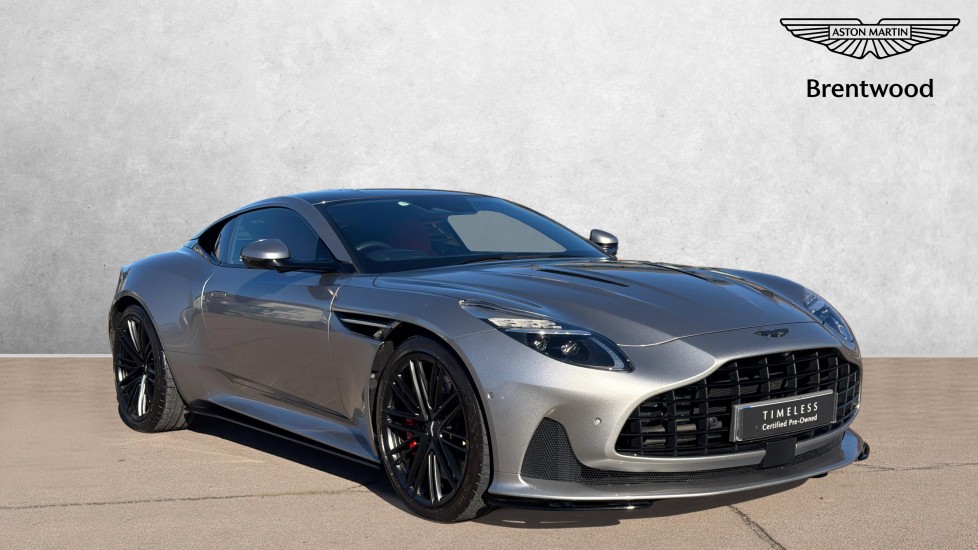
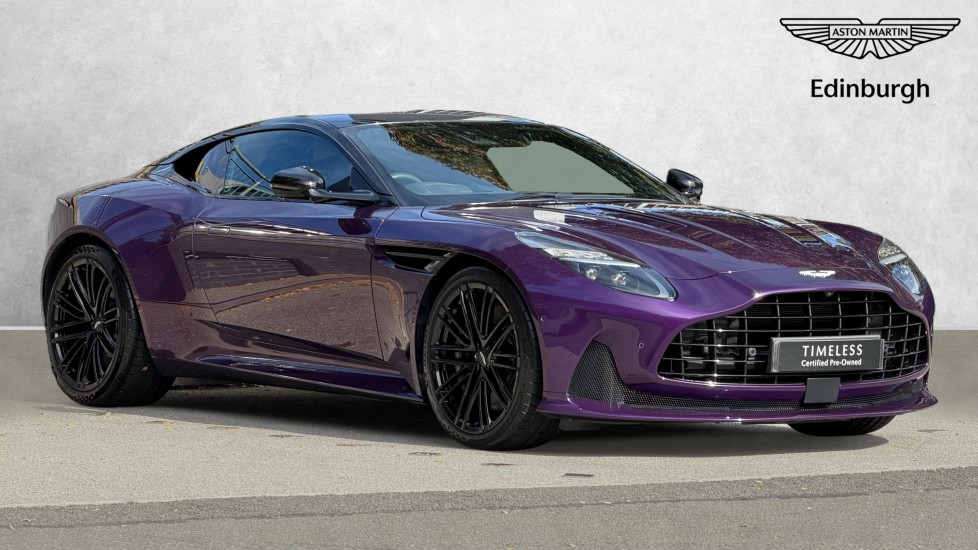
The first distinction is seating: Vantage is a two-seat sports car; DB12 is a 2+2 Super Tourer. Start there, then compare the driving position, cabin and specification of the actual cars you are considering.
Vantage and DB12 share an Aston Martin badge and a front-mounted, twin-turbocharged 4.0-litre V8, yet they answer different questions. Vantage puts a two-person sports-car experience at the centre of the decision. DB12 adds occasional rear seats and a touring brief that deserves a closer look if your plans extend beyond a drive for two.
This guide focuses on the current-generation Vantage and DB12 coupés. S derivatives, Roadster and Volante versions should be checked separately; their equipment and figures should not be mixed into a comparison of the standard coupés.
Two seats or 2+2?
If your Aston Martin will usually carry one or two people, begin with the driving position in both cars. Set the seat and steering wheel properly before judging how naturally the controls fall to hand. Bring your regular passenger and make sure their comfort receives as much attention as yours.
DB12’s rear seats add flexibility, but “2+2” is a reason to try them, rather than assume four adults will travel comfortably. Check access, headroom and legroom with the front seats positioned for the people who will actually use them. If a child seat is part of the plan, confirm suitability against the vehicle handbook and the seat manufacturer’s instructions.


| Your priority | Vantage coupé | DB12 coupé |
|---|---|---|
| Cabin layout | Two seats | 2+2 seating |
| Starting point | A dedicated sports car for one or two | A Super Tourer with occasional rear-seat flexibility |
| Powertrain layout | Front-mounted 4.0-litre twin-turbo V8; rear-wheel drive | Front-mounted 4.0-litre twin-turbo V8; rear-wheel drive |
| Useful viewing test | Seat fit, control reach and luggage access | Front-seat comfort, rear-seat fit and luggage access |
Compare the drive you will actually make
A short, familiar route can tell you more than a headline acceleration figure. Where a demonstration is available, include the surfaces and speeds you encounter most often: town traffic, a typical country road and a stretch of faster road. Keep the route comparable so that changes in surface do not dominate your impressions.
Pay attention to steering response, visibility at junctions and how easily you settle into the seat. Try the normal road settings before exploring other modes with the team. A wheel, tyre or seat option can influence your experience, so record the specification of each demonstrator alongside your notes.

Bring the bags, then check the details
A weekend case, a laptop bag and a coat make a useful real-world luggage test. Check the opening as well as the space beyond it, and consider what you want to reach without unloading everything. The shape of your usual luggage is more informative than a capacity figure on its own.
Make the shortlist specific
For a pre-owned car, compare model year, service history, fitted seats, audio and other options before comparing asking prices. Ask which features belong to that individual car, and which appear only in model photography.
For a new commission, work through the specification with a Grange Aston Martin team. Agree your essential features first; colours, materials and finishing details can then complete a car that suits your use.

Your questions, answered.
Does DB12 have rear seats?
Yes. Aston Martin specifies DB12 coupé as a 2+2. Check the rear-seat fit with your intended passengers before deciding.
Does Vantage have rear seats?
The current-generation Vantage coupé is a two-seater.
Is DB12 simply a larger Vantage?
They have different cabin layouts and model roles. Use a viewing and comparable demonstration to decide which better fits your priorities; a single performance statistic does not settle that choice.